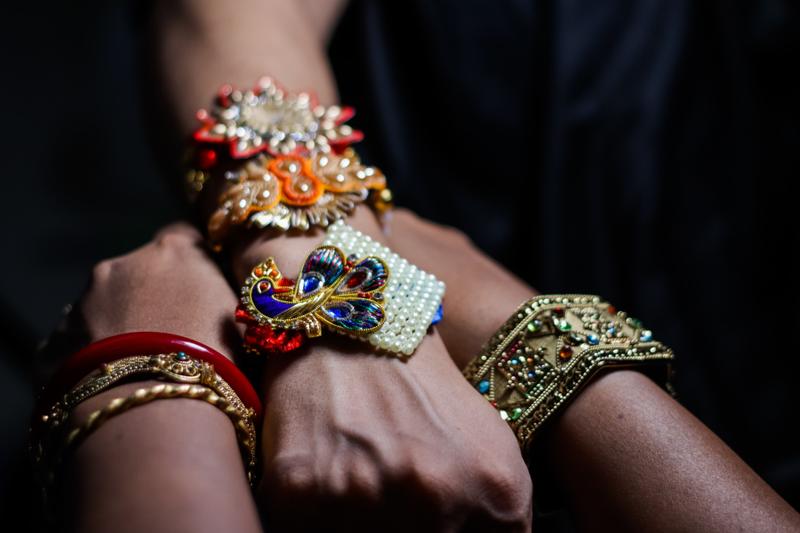
Rakhi is the festival of bonding between brothers and sisters. It is a festival that re-emphasizes the affection and love that exists between sisters and brothers. It symbolizes the affection between siblings. It is a secular festival in India, with people from many religions celebrating it with equal elan. With globalization and many Indians staying abroad, the festival has truly become global and is celebrated in many parts of the world.
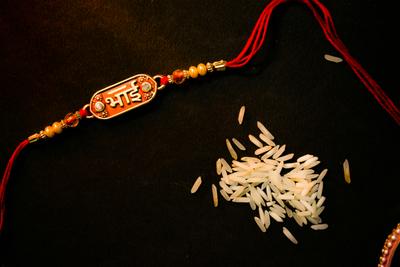
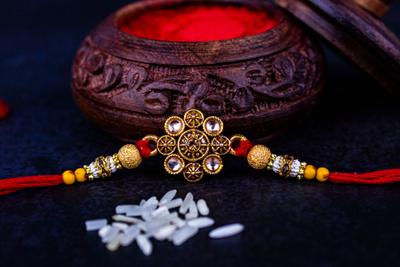
Despite the celebrations happening in multiple countries, the core values remain the same. The word "Rakhi" implies the ceremonial thread that the sister ties on her brother's wrist after a few rituals, expressing her love and wishes for her brother’s well-being. The brother, in return, vows to protect his sister in all circumstances and take care of her.
Rakhi Celebration in Nepal
The country of Nepal is so close to India that many similar festivals and celebrations are observed in both places. Thus, a festival like Raksha Bandhan is very important and popular in this neighboring country. Rakhi celebrates the bond that exists between brothers and sisters, and for this reason, people can relate to this celebration with all their hearts. A very important aspect of this occasion is the exchange of gifts and sweets that takes place between siblings. However, Nepal also has several traditions that encompass this event, which are unique in themselves.
The main ritual of Rakhi is the same in Nepal, with the sisters tying sacred threads on their brothers’ wrists. The festival of Raksha Bandhan takes place on Shravana Purnima, and in Nepal, this day is known as Janai Purnima as well as Janaeu Purnima. The Janai is the holy thread that Nepalese men wear on their torsos in a lengthwise fashion. On this auspicious day, the Janai thread is changed near the riverside, after which the person takes a holy bath. On the other hand, the Janaeu is a thread that the elders of the family tie on the wrists of the younger ones. This day is also considered to be an auspicious one for visiting the various temples devoted to the worship of Lord Shiva.
Traditions as per Nepal
In Nepal, the celebration combines family rituals, religious customs, and community traditions:
- Tying of Rakhi (Doro): Sisters tie a sacred thread (rakhi or doro) around their brothers’ wrists as a prayer for their health, prosperity, and protection. Brothers offer gifts or money to their sisters as a gesture of love and gratitude.
- Janai Changing Ceremony: One of the most important traditions of Janai Purnima is the replacement of the Janai (sacred thread) by Hindu men, particularly among the Brahmin and Chhetri communities. Priests conduct rituals and provide a purified sacred thread after prayers.
- Receiving Protective Threads from Priests: Devotees visit temples, and priests tie a yellow or red sacred thread (doro) around their wrists, believed to bring protection, good fortune, and spiritual blessings.
- Special Foods and Family Gatherings: Families prepare traditional dishes such as kwati, a nutritious soup made from nine types of sprouted beans, which is especially associated with Janai Purnima. Relatives gather to celebrate together and exchange blessings.
- Respect for Family Bonds: Unlike focusing only on the brother-sister relationship, Nepal’s celebration also emphasizes spiritual protection, respect for elders, and community harmony.
Cultural and Community Organizations
Rakhi celebrations in Nepal are supported by religious groups, cultural organizations, and local communities that help preserve the festival’s traditions.
- Local Cultural Groups: Community organizations often arrange gatherings, cultural programs, and awareness events to highlight the significance of Janai Purnima and Nepal’s traditional heritage.
- Schools and Social Organizations: Many schools and youth organizations conduct Rakhi-making
activities, cultural performances, and educational programs to teach younger generations about the importance of sibling relationships and Nepalese customs.
Celebration Stories
"My brother moved to Australia five years ago, and Rakhi was one festival we never missed celebrating together. Earlier, I would personally tie the rakhi on his wrist, but now I send it by post weeks before the festival. On Raksha Bandhan day, we connect through a video call. I still perform the traditional rituals, and he opens his gift from Nepal in front of me. The distance has changed the way we celebrate, but not the emotions behind it."
For many Nepali families with members living abroad, Rakhi has become a festival that connects generations and countries. Online calls, digital gifts, and courier services have allowed siblings to maintain traditions despite physical distance.
Rakhi Celebration in Europe
In several countries in Western and Eastern Europe, Rakhi is celebrated with great enthusiasm and fun. There are several people from South Asian countries who reside in European countries who also celebrate Raksha Bandhan. Usually, at a common place or venue, people from different parts of the city gather along with their families, dressed in colorful and some in ethnic wear, giving a festive color to the celebrations. The people staying out of their countries see these opportunities as ones that help to develop brotherhood among themselves since they stay far away from their families.
The Raksha Bandhan celebrations that are organized here follow all the traditions related to this day. But instead of having a family day, they gather at an appointed place and have a community celebration. The sisters apply a tilak and tie Rakhis on the wrists of their brothers and also on those whom they consider their brothers. A long estrangement from home results in the formation of many such relations, as everyone misses their siblings.
Traditions as per Europe
Rakhi celebrations in Europe preserve many traditional customs while adapting them to a multicultural environment:
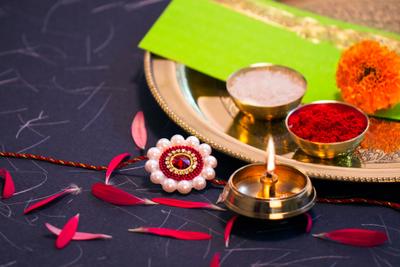
- Rakhi Rituals at Home: Sisters tie rakhi on their brothers’ wrists after performing traditional rituals with a puja thali containing sweets, rice grains (akshat), a diya, and flowers. Brothers give gifts or make promises of love and support in return.
- Celebrations Across Borders: Many siblings living in different European countries exchange rakhis through international courier services or celebrate through video calls. Online gifting has become increasingly popular for families separated by distance.
- Fusion of Traditions: European celebrations often include a blend of Indian, Nepalese, and local customs. Families may organize Rakhi dinners at restaurants, community halls, or homes where traditional food is combined with European cuisines.
- Participation of Younger Generations: Parents often involve children in rakhi-making activities, storytelling sessions, and cultural programs to help them understand the emotional and cultural importance of the festival.
- Inclusive Celebrations: In many European communities, Rakhi is celebrated not only between biological siblings but also among cousins, close friends, and extended family members, reflecting the broader idea of love, protection, and emotional connection.
Cultural and Community Organizations
South Asian cultural organizations play an important role in keeping Rakhi traditions alive across Europe.
- Indian and Nepalese Community Associations: Diaspora organizations frequently arrange Rakhi gatherings, cultural evenings, and family events where members can celebrate together away from their home countries.
- Temples and Cultural Centers: Hindu temples and South Asian cultural centers often host special celebrations featuring prayers, rakhi ceremonies, traditional music, dance performances, and community meals.
- Student and Youth Organizations: Universities and cultural societies organize Rakhi events to help international students and young professionals celebrate festivals with friends and community members.
- Embassies and Cultural Missions: Indian and Nepalese cultural organizations abroad sometimes support festival events that promote heritage, cultural exchange, and awareness among wider European communities.
- Charity and Social Initiatives: Some groups use Rakhi celebrations to organize donation drives, community lunches, and activities that highlight values of compassion, unity, and social responsibility.
Celebration Stories
"When I moved to London, I worried that festivals from home would feel different. But Rakhi became even more meaningful because it brought my family together. I send my brother a rakhi every year, and we celebrate over a video call with our parents. It reminds us of our roots."
Rakhi Celebration in US
A large number of Indians reside in the US, and they take every opportunity to bond with other Indians and celebrate festivals. Raksha Bandhan festival gives them yet another opportunity to bond with other Indians living in and around their neighborhood and feel closer to their country and values. The celebrations are similar to the ones in India. People begin the day with Rakhi Puja; sisters tie rakhi on their brother’s wrist, apply tilak on the brother’s forehead, and feed him sweets, wishing him long life and success. Brothers gift their sisters some gifts and vow to protect her in all circumstances and be with her in times of happiness and despair. Despite the distance, send online rakhi with sweets to India from USA and make the celebrations a truly memorable one.
Traditions as per the United States
Although Rakhi celebrations in the US follow many traditional Indian customs, they often include modern adaptations suited to diaspora lifestyles:
- Rakhi Ceremony: Sisters tie a rakhi on their brothers’ wrists while performing traditional rituals with a puja thali containing items such as a diya, rice grains, kumkum, and sweets. They pray for their brothers’ happiness, health, and success.
- Exchange of Gifts: Brothers traditionally give gifts, money, or personalized presents to their sisters as a symbol of appreciation and love. Many families now exchange customized gifts, online vouchers, and experience-based gifts.
- Virtual Rakhi Celebrations: Since families are often separated by long distances, many siblings celebrate through video calls. Sisters may send rakhis by mail, and brothers open gifts during online celebrations.
- Family Gatherings and Indian Cuisine: Families often organize home celebrations with traditional Indian sweets, festive meals, and cultural activities. Many combine Rakhi celebrations with weekend gatherings to accommodate work and school schedules.
- Inclusive Celebrations: In the US, Rakhi is increasingly viewed as a celebration of sibling love and emotional connection rather than only a traditional brother-sister ritual. Some families celebrate with cousins, close friends, and chosen family members.
Cultural and Community Organizations
Indian cultural organizations and community groups play an important role in keeping Rakhi traditions alive among younger generations in the United States.
- Indian Community Associations: Local Indian associations organize Rakhi events featuring cultural performances, traditional food, music, and activities for children. These events help immigrant families maintain connections with their heritage.
- Hindu Temples and Cultural Centers: Many temples host Raksha Bandhan programs where families participate in prayers, rituals, and community celebrations. These gatherings provide an opportunity for people who live away from extended families to celebrate together.
- Schools and Youth Organizations: Cultural schools and youth groups often conduct Rakhi-making workshops, storytelling sessions, and educational programs to introduce children to Indian festivals and traditions.
- Regional and Diaspora Groups: Different Indian communities across the US celebrate Rakhi with regional variations, incorporating traditions from states such as Punjab, Gujarat, Maharashtra, Bengal, and South India.
- Online Communities: Social media groups and diaspora platforms help organize virtual celebrations, share festival information, and connect families who cannot attend local events.
Celebration Stories
"My brother moved to California for work, so we rarely celebrate festivals together in person. Every year, I send him a rakhi and sweets before the festival. On Rakhi day, we connect over a video call, and I complete the rituals while he opens his gift. It feels like he is sitting right beside me."
For many South Asian families in America, digital connections have become an essential part of maintaining traditions across geographical distances.
Rakhi Celebration in Gulf Countries
The Gulf Countries are those that have a coastline along the Persian Gulf, hence the name. These countries include Iran, Oman, the United Arab Emirates, Saudi Arabia, Qatar, Bahrain, Kuwait, and Iraq. Over the years, many people of Indian origin have settled there, and they have brought with them their own festivals and traditions. One such popular celebration is the festival of Raksha Bandhan, which is celebrated by the whole of the Indian community. A growing trend of online Rakhi portals can be seen as siblings moving apart from each other for many reasons. Online portals like ours have become lifesavers in such situations where you can send rakhi to India from any corner of the world by arranging an online rakhi delivery. Rakhi in Gulf countries is celebrated wonderfully, and the way in which it is celebrated in these countries is quite noteworthy.
Traditions as per Gulf Countries
Rakhi celebrations in the Gulf blend Indian traditions with the lifestyle of expatriate communities:
- Traditional Rakhi Rituals: Sisters tie rakhi on their brothers’ wrists, perform prayers, apply tilak, offer sweets, and exchange gifts. Families often recreate the traditional home celebration even when living abroad.
- Celebrating Across Borders: Since many siblings live in different countries due to work commitments, online celebrations have become common. Sisters send rakhis through international courier services, and families celebrate through video calls.
- Special Meals and Gatherings: Indian families prepare festive foods and sweets, including regional specialties from their home states. Restaurants and community groups often host Rakhi-themed celebrations with traditional meals.
- Modern Gifting Culture: In Gulf cities, Rakhi celebrations have expanded to include personalized gifts, chocolates, luxury items, flowers, and digital gift cards, reflecting the region’s strong shopping and gifting culture.
- Inclusive Celebrations: Many families celebrate Rakhi not only among biological siblings but also with cousins, close friends, and community members who share a sibling-like bond.
Cultural and Community Organizations
The Indian diaspora in Gulf countries plays an important role in keeping Rakhi traditions alive through cultural associations, temples, and social groups.
- Indian Community Associations: Organizations representing different Indian states and cultural groups often arrange Rakhi events, where families gather for rituals, cultural performances, and social activities.
- Temples and Cultural Centers: Hindu temples and community centers organize prayer ceremonies, festive gatherings, and cultural programs during Raksha Bandhan. These events help expatriates maintain religious and cultural connections while living abroad.
- Schools and Indian Educational Institutions: Indian schools in Gulf countries often celebrate Rakhi through classroom activities, including rakhi-making competitions, cultural performances, and lessons about Indian traditions.
- Women’s and Social Groups: Community groups frequently organize Rakhi fairs and charity activities where members celebrate together, especially supporting people who may be away from their families.
- Corporate Celebrations: Many companies with large Indian workforces organize small Rakhi events, allowing employees to celebrate cultural festivals with colleagues.
Celebration Stories
"When I moved to Dubai, I thought festivals would never feel the same without my family. Now, I send a rakhi to my brother in India, and we celebrate through a video call. My parents keep the puja thali ready at home, and I join the ritual virtually. Technology has helped us stay connected."
Rakhi Celebration in Australia
The continent of Australia hosts a diverse group of people who belong to different ethnicities. Many Indians call the Australian islands their home, and these people come from different parts of India. Hence, they bring with them their own set of cultures, traditions, and also many different festivals. Such festivals that are now celebrated in Australia include Durga Puja, Holi, Navratri, Onam, and, of course, Raksha Bandhan. Rakhi celebrates the love that is shared between siblings, and a very important part of this festival is the exchange of rakhi gifts. With time, Raksha Bandhan has now become a secular festival, and hence, it is celebrated by a large section of people in Australia and not just the Indians. A festival of such a grand stature obviously has a set of customs and rituals that are followed diligently here. The festival of Rakhi is celebrated in Australia with all the rituals and customs and also a lot of fun and frolic.
Traditions as per Australia
Nepali communities in Australia celebrate Rakhi largely through the traditions of Janai Purnima and Raksha Bandhan, combining religious rituals with family gatherings.
- Rakhi and Sacred Thread Rituals: Sisters tie rakhi or doro around their brothers’ wrists, praying for their happiness, health, and success. Brothers express their affection through gifts and promises of lifelong support.
- Janai Purnima Celebrations: Many Nepali Hindu families continue the tradition of changing the Janai (sacred thread) and receiving protective threads from priests. Temples and community gatherings often organize these rituals for families living away from Nepal.
- Family Gatherings Away from Home: Since many Nepalese families in Australia live far from their relatives, Rakhi becomes an important occasion for reconnecting through shared meals, prayers, and cultural activities.
- Traditional Food and Festive Meals: Families prepare Nepali dishes such as kwati, sweets, and regional delicacies. Many also combine Nepali traditions with Australian influences by hosting gatherings at homes, restaurants, or community halls.
- Digital Celebrations: For siblings living in different countries, online celebrations, video calls, and sending rakhis through international courier services have become common.
Cultural and Community Organizations
Rakhi celebrations in Australia are supported by various South Asian cultural groups, temples, and community organizations that help preserve cultural traditions.
- Nepali Community Associations: Nepali cultural organizations across Australian cities such as Sydney, Melbourne, Brisbane, and Adelaide organize Janai Purnima and Rakhi gatherings. These events often include prayers, cultural performances, traditional food, and social interaction.
- Hindu Temples and Religious Centres: Temples play an important role by hosting priests, conducting sacred thread ceremonies, and providing spaces where families can celebrate together.
- Indian and South Asian Cultural Groups: Organizations representing the broader South Asian diaspora often arrange Raksha Bandhan events, including rakhi-making workshops, cultural programs, and family activities.
- Schools and Youth Groups: Community schools and cultural education groups introduce children to Rakhi traditions through storytelling, crafts, and performances, helping younger generations maintain connections with their heritage.
- Multicultural Celebrations: In Australia’s multicultural environment, Rakhi events often welcome people from different backgrounds, presenting the festival as a celebration of love, respect, and family relationships.
Celebration Stories
"My children were born in Australia, so festivals like Rakhi help them understand where our family traditions come from. They enjoy making handmade rakhis, learning the stories behind the festival, and celebrating with cousins and friends."
Many South Asian parents use Rakhi as a cultural learning experience, helping children develop a connection with their heritage.
Rakhi Celebration in UK
Rakhi celebrations commence many days in advance of the festival so that everyone is well prepared by the time the day arrives. Various traditions and rituals encompass this hearty event, and such customs change from region to region of this vast country. However, what remains constant is the basic theme of the festival, that is, a celebration of bittersweet sibling love. Nowadays, people staying away from their siblings are opting to celebrate online Rakhi with gifts and sacred threads. They also celebrate the day by following the rituals and having a get-together with friends, family, and other members of the Asian community. In countries like Great Britain, there are several Asian communities, and they have a grand Raksha Bandhan celebration every year.
Traditions as per UK
Rakhi celebrations in the UK largely follow Indian traditions while incorporating the lifestyle of British-based families:
- Family Rituals: Sisters tie rakhi on their brothers’ wrists after performing a small puja ceremony with a thali containing a diya, sweets, rice grains, and kumkum. Brothers give gifts, money, or thoughtful presents as a symbol of love and appreciation.
- Celebrating Across Distances: Since many families live in different cities or countries, sisters often send rakhis through postal services or online platforms. Video calls have become an important part of celebrations, allowing families overseas to participate in rituals virtually.
- Fusion Celebrations: Many British South Asian families combine traditional customs with modern elements, such as hosting restaurant dinners, organizing family outings, or exchanging personalized gifts instead of only traditional sweets.
- Inclusive Sibling Bonds: Younger generations in the UK increasingly view Rakhi as a celebration of mutual affection and emotional support between siblings, rather than only a promise of protection from brothers.
- Cultural Food and Gatherings: Families prepare Indian sweets and festive meals, often combining traditional dishes with British favorites. Community celebrations may include music, dance, and cultural performances.
Cultural and Community Organizations
Rakhi celebrations in the UK are supported by temples, cultural associations, and diaspora organizations that help maintain cultural traditions among younger generations.
- Hindu Temples and Cultural Centres: Temples organize Raksha Bandhan programs featuring prayers, community gatherings, and traditional rituals where families celebrate together.
- South Asian Community Organizations: Groups working with Indian, Nepalese, and wider South Asian communities often host cultural events, workshops, and family programs around Rakhi to encourage participation among children and young adults.
- Schools and Educational Groups: Some schools and cultural learning centres introduce students to Raksha Bandhan through storytelling, craft activities, and discussions about Indian heritage.
- Charity and Community Events: Many organizations use Rakhi celebrations as opportunities for community bonding, fundraising activities, and promoting cultural understanding within Britain’s diverse society.
- Diaspora Networking: Rakhi events help immigrants and second-generation British South Asians maintain connections with their heritage while sharing their traditions with the wider community.
Celebration Stories
"Many people in our community live away from their extended families. Our annual Rakhi event gives everyone a chance to celebrate together. Children participate in cultural activities, families share food, and elders tell stories about the meaning behind the festival."
Community gatherings have transformed Rakhi from a private family ritual into a shared cultural celebration.
Marian Ritu Chakraborty
Marian has been a content writer for 3 years at GiftstoIndia24x7. Based in Kolkata, she crafts compelling articles, accurate product descriptions, and much more. She researches and writes articles that make finding the perfect gift for your loved ones easy. When she is not writing, she is seen researching, reading blogs, and books.